Commercial Air Duct Cleaning for Colorado Facilities: Protecting Air Quality, Safety & Performance
Share on:
Facebook
Twitter
LinkedIn
Key Takeways
Commercial air duct cleaning removes accumulated dust, particulates, debris, and industry-specific contaminants from HVAC systems in healthcare facilities, manufacturing facilities, warehouses, offices, and other commercial buildings across Colorado.
Dirty ducts can circulate allergens and dust indoors, contribute to poor indoor air quality, and increase respiratory issues and allergies for staff, patients, customers, and visitors.
Standard maintenance does not always reach deeper ductwork, VAV boxes, plenums, or hidden buildup inside a large HVAC system.
Bee’s Air Duct Cleaning provides NADCA-certified, source-removal commercial duct cleaning with background-checked technicians and advanced equipment for commercial clients.
Proactive cleaning supports safety, energy efficiency, cleaner air, HVAC efficiency, and long-term equipment protection.
Introduction: Why Commercial Air Duct Cleaning Matters in Colorado
Commercial air duct cleaning is not just a cosmetic service. In Colorado’s dry climate, where wildfire smoke from 2020–2025, construction along the Front Range, and seasonal pollen can load commercial air with particulates, clean ducts help protect indoor air, employees, products, and equipment.
In commercial buildings, air ducts move more than heating and cooling. They can carry metal dust, paper fibers, combustion byproducts, disinfectant residue, mold spores, lint, dirt, and other contaminants. Commercial duct cleaning reduces contaminants in workplaces and helps facilities improve indoor air quality while supporting daily operations.
Bee’s Air Duct Cleaning is a woman-owned company serving Northern Colorado, including Fort Collins, Loveland, Greeley, Windsor, Longmont, and nearby areas. The company provides air duct cleaning services, dryer vent cleaning, and commercial HVAC system cleaning with a NADCA-certified technician on every job.
How Contaminants Build Up Inside Commercial Air Ducts
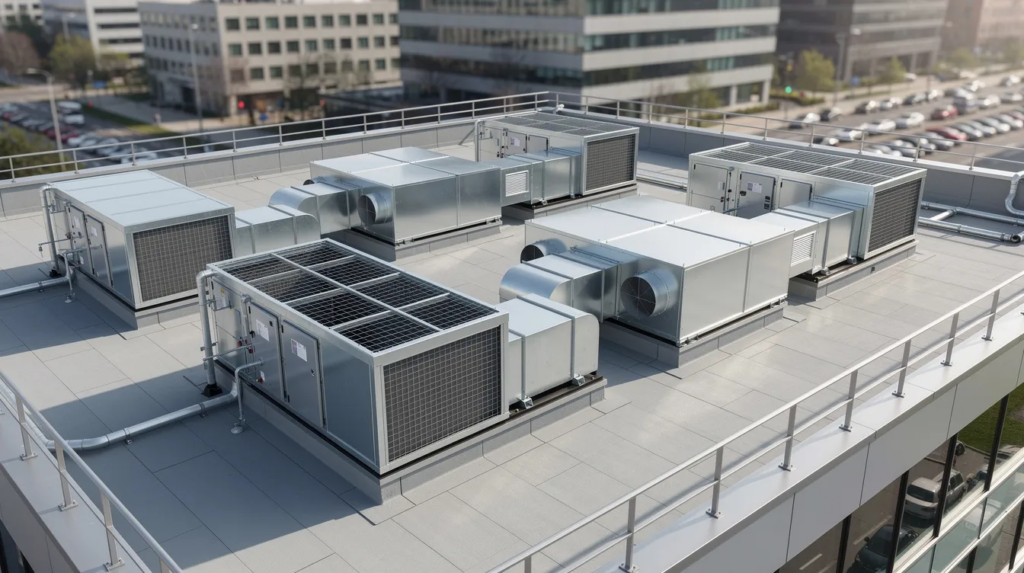
Particulates enter the ventilation system through rooftop units, returns, doors, loading docks, and occupied spaces. Over time, dust, textile fibers, flour, sugar dust, welding fumes, toner, paper dust, skin cells, pollen, and process debris settle throughout ducts and mechanical components.
Colorado’s arid conditions and frequent construction near I-25 communities such as Fort Collins, Greeley, Windsor, Loveland, and Longmont increase airborne dirt that enters commercial air duct systems. Large duct runs, branch lines, VAV boxes, reheat coils, and mixing boxes create surfaces where contaminants collect beyond what filters catch.
Examples vary by facility: textile lint in distribution centers, fine powders in pharmaceutical spaces, flour and sugar dust in food processing, and disinfectant residue in healthcare facilities. Without professional air duct cleaning, these pollutants can remain in the system and re-enter the indoor air whenever airflow starts.
Industry-Specific Air Quality Risks in Commercial Buildings
Not every business faces the same air quality risk. A clinic, warehouse, industrial facility, school, office, and retail spaces may all need duct cleaning, but the reasons and urgency differ.
Healthcare Facilities: Protecting Patients and Sensitive Environments
Hospitals, clinics, dental offices, surgical centers, and long-term care buildings rely on stable, clean air to protect patients and staff. Healthcare air ducts may collect skin squames, textile fibers, bioaerosols from waiting areas, construction dust from renovations, and chemical residue from disinfectants.
If dirty ducts are ignored, shared HVAC zones can move pollutants through areas intended to be cleaner or more controlled. Professional duct cleaning supports infection control by reducing dust reservoirs where microbial growth can occur if moisture is present. Bee’s can coordinate with facility engineers and infection control teams to schedule work during low-traffic hours.
Manufacturing Plants and Industrial Buildings: Combustible Dust and Process Contaminants
Manufacturing and industrial properties can generate fine particulates from metal fabrication, woodworking, plastics, packaging, food processing, and finishing operations. Combustible dust from wood, grain, food products, plastics, or metal can increase fire and explosion risk when it settles inside ducts.
Other contaminants include oil mist, welding fumes, solvent vapors that condense on surfaces, and fine powders from production lines. Neglected commercial air ducts may raise OSHA concerns, NFPA combustible dust questions, and insurance carrier expectations. Periodic commercial duct cleaning, paired with housekeeping and dust collection, supports safety and regulatory readiness.
Warehouses, Distribution Centers, and Logistics Facilities
Warehouses often have high ceilings, long ducts, constant forklift traffic, pallet movement, and dock doors that bring in outdoor dust. Cardboard fibers, pallet wood particles, tire residue, and dirt can accumulate around vents and inside the HVAC system.
Facility teams may notice heavy air, visible dust in sunbeams, clogged diffusers, or filters loading faster than expected. Regular commercial air duct cleaning helps protect order pickers, forklift operators, inventory, scanners, and automated equipment that may be sensitive to debris. Bee’s can work in phases or off-shifts to reduce downtime.
Commercial Offices, Retail, and Mixed-Use Buildings
Offices, call centers, retail spaces, and mixed-use properties generate occupant dust, paper fibers, VOCs, and renovation debris. Common signs include stale odors, visible accumulation of dust around HVAC vents, uneven airflow, hot and cold spots, and complaints of headaches or congestion.
Tenant build-outs, carpet replacement, and painting can send fine particulates into the system. Clean ducts support employee wellness, tenant satisfaction, and indoor air quality initiatives that property managers increasingly track.
Why Standard HVAC Maintenance Isn’t Enough
Routine maintenance is essential, but filter changes, belts, lubrication, and coil checks do not always remove contamination inside the ductwork. Even with quarterly filters, bypass dust and construction debris can settle on turning vanes, branch lines, supply and return plenums, internal insulation, and air handlers.
Surface cleaning of vents is mostly cosmetic. It does not remove dust reservoirs deeper inside the system. Commercial duct cleaning works alongside HVAC service contracts by addressing the whole system, not just visible grilles or the furnace cabinet.
According to NADCA standards, best practices for HVAC cleaning processes focus on assessment, source removal, and verification. NADCA certification ensures compliance with HVAC cleaning standards, and NADCA certification ensures professional air duct cleaning standards for contractors following accepted procedures.
Health, Safety, and Regulatory Considerations
Dirty ducts can lead to increased respiratory issues and allergies. Poor indoor air quality can lead to respiratory issues, and dust and allergens in ducts can cause employee health issues. For people working 8–12 hour shifts, repeated exposure matters.
Indoor Air Quality and Occupant Health
Fine particulates, allergens, biological material, and chemical residues can aggravate asthma, allergies, COPD, and irritation. Healthier work environments reduce allergy and asthma triggers for staff and customers. Cleaner air limits the circulation of airborne contaminants and reduces workplace absenteeism.
Regular cleaning improves indoor air quality in commercial spaces, and regular duct cleaning improves HVAC efficiency and air quality. Facilities often notice less dust on desks, shelves, machines, and floors after cleaning.
Combustible Dust and Fire Risk
Accumulated dust increases fuel load, especially in dry environments. Electrical faults, overheated equipment, static discharge, or hot motors can become ignition sources. Commercial duct cleaning alone does not guarantee NFPA compliance, but reducing internal buildup is a meaningful fire-prevention step.
Professional cleaning helps facilities maintain health and safety compliance by documenting that hard-to-reach ductwork has been addressed. Bee’s source-removal process helps remove dust from areas that janitorial work and basic HVAC maintenance cannot reach.
Regulatory and Industry Standards Context
Certain sectors must adhere to stringent indoor environment guidelines to ensure regulatory compliance, including healthcare, food processing, pharma, schools, and some industrial operations. OSHA exposure expectations, Joint Commission concerns, FDA or USDA considerations, and local codes may all influence how facilities manage air quality.
Bee’s Air Duct Cleaning is not a regulatory authority, but documentation from professional duct cleaning can support EHS records, audits, insurer conversations, and facility maintenance files.
Operational and Energy Benefits of Clean Commercial Air Ducts
HVAC systems account for up to 50% of total energy use in many commercial properties. Dirty ducts can reduce HVAC efficiency by 30%, forcing fans and blowers to work harder to move air. Regular HVAC maintenance can reduce energy costs by up to 30%, especially when duct cleaning is paired with filter management, coil care, and airflow checks.
Cleaning ducts improves HVAC efficiency and lowers energy bills. Commercial duct cleaning can lower operational costs significantly by helping the system move air efficiently, reducing pressure drops, and supporting more even temperatures. Routine cleaning prevents premature mechanical failure and costly repairs in HVAC systems by reducing strain on motors, belts, bearings, and coils.
Bee’s Air Duct Cleaning: Commercial Expertise in Northern Colorado
Bee’s Air Duct Cleaning serves commercial clients throughout Northern Colorado with air duct cleaning, dryer vent cleaning, and indoor air quality support. Bee’s is woman-owned, has more than eight years in business, and sends a NADCA-certified technician to every commercial job.
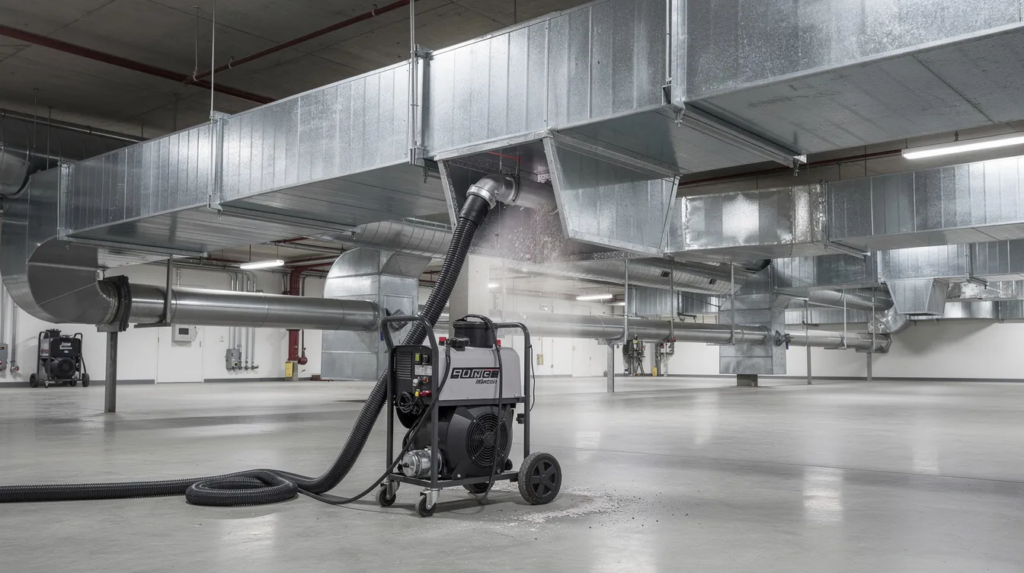
Even the least experienced technicians have more than five years of field experience, and Bee’s uses background checked technicians, an important factor for healthcare, schools, secure offices, and multi-tenant properties. The team uses source-removal methods, advanced equipment, and professional-grade vacuums built for large commercial air duct systems-not just a basic shop vac or a vague monster vac claim.
Our Commercial Air Duct Cleaning Process (Step by Step)
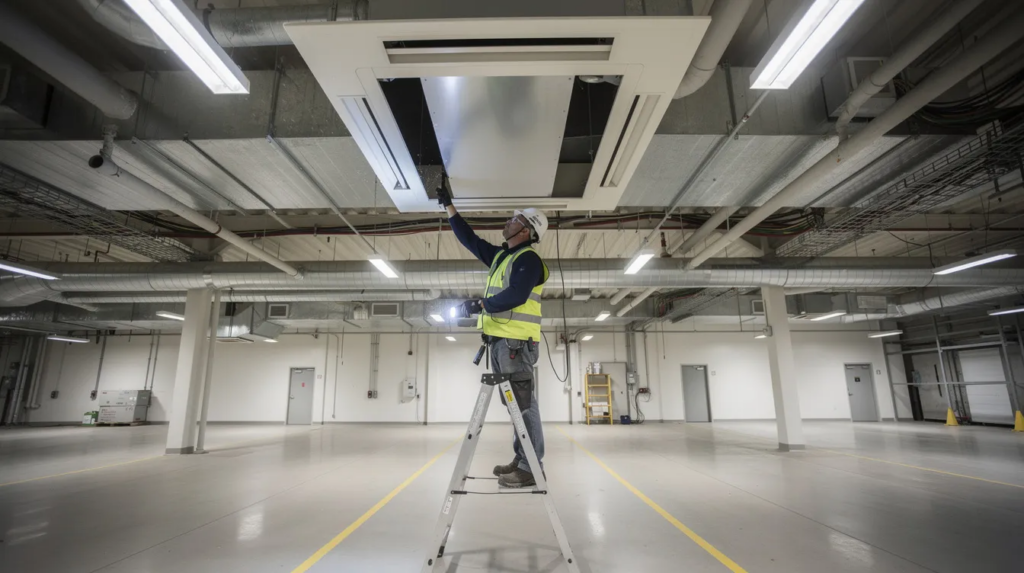
Bee’s begins with a site visit, virtual walk-through, or review of mechanical drawings. Technicians use specialized cameras to locate dust and debris buildup in HVAC systems and identify access points, dirty zones, vents, and mechanical rooms.
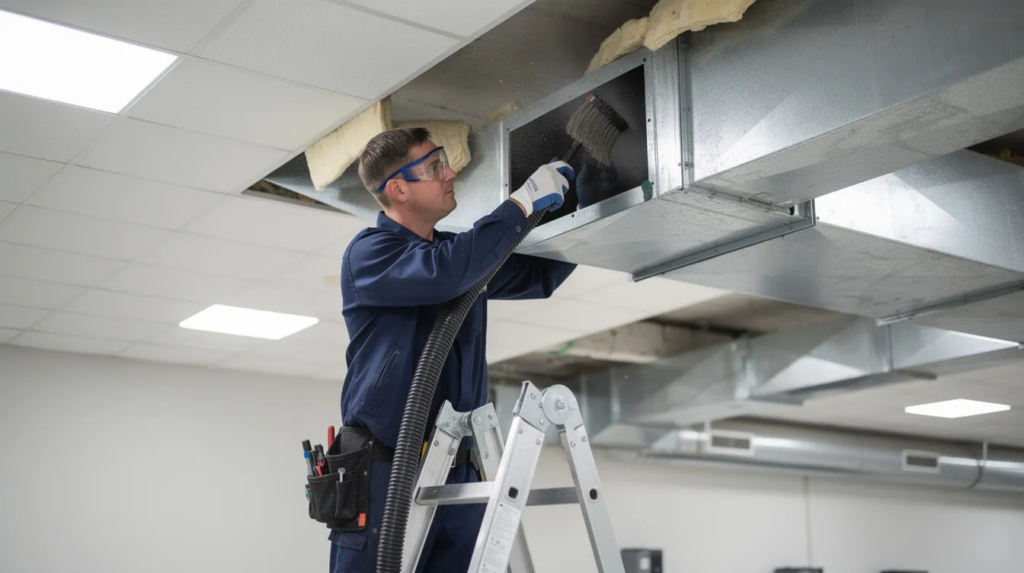
Next, Bee’s coordinates the schedule with facility managers. Work can happen at night, on weekends, during shutdowns, or in phases. Technicians isolate sections, and technicians create strong negative air pressure while cleaning to dislodge dirt from ductwork. A powerful vacuum creates negative pressure to remove dust from the HVAC system while agitation tools loosen buildup.
HVAC cleaning involves a thorough inspection and decontamination of the entire system, when included in scope. That may include supply and return plenums, coils, drain pans, registers, and air handler components. Bee’s provides before-and-after photos, written summaries, and maintenance recommendations.
Special Considerations for Healthcare, Industrial, and Multi-Tenant Properties
Healthcare and life science facilities may require HEPA-filtered containment, sealed access points, careful zoning, and coordination with infection control staff. Waiting rooms, nurse stations, dental operatories, procedure rooms, and labs benefit from cleaner supply and return ducts.
Manufacturing and industrial operations often need cleaning aligned with outages, maintenance shutdowns, or slow production windows. Bee’s can prioritize production lines, welding bays, packaging areas, or zones with heavy process dust before moving into offices.
Offices, schools, and multi-tenant buildings require communication. Bee’s can work floor by floor so tenants can stay open in most places. Property managers can move sensitive equipment under vents, alert tenants, and prepare access credentials before the job begins.
When Should Commercial Clients Schedule Air Duct Cleaning?
Typical commercial buildings should have air ducts cleaned every 3 to 5 years, depending on occupancy, filtration, and exposure. High-traffic or regulated facilities often require cleaning every 1 to 2 years.
Schedule an inspection after construction, remodeling, fire or smoke exposure, water intrusion, persistent odors, visible dust around vents, uneven temperatures, or filters loading faster than expected. Facilities with woodworking, bakeries, powder handling, or heavy industrial processes may need more frequent inspections.
Bee’s can provide camera-based evidence so managers can make decisions based on actual duct conditions rather than guessing.
Choosing a Commercial Air Duct Cleaning Partner in Colorado
Look for NADCA certification, documented commercial experience, liability insurance, a clear safety process, and source-removal cleaning. NADCA certification ensures adherence to indoor air quality standards and confirms that the company understands accepted HVAC hygiene practices.
Ask vendors for a detailed scope, access plan, timeline, photo documentation, and whether they can coordinate with your HVAC contractor. If you need duct cleaning in Denver or Northern Colorado, choose a team that understands wildfire smoke, construction dust, industrial sites, and regional building conditions.
Bee’s stands out through direct customer service, no call center, background checked technicians, and commercial and industrial expertise.
How Bee’s Supports Ongoing Air Quality and Maintenance Programs
Bee’s helps clients plan beyond one-time cleaning, whether for Front Range facilities or mountain communities that rely on air duct cleaning in Estes Park. That may include inspection intervals, filter recommendations, IAQ monitoring ideas, and coordination with existing HVAC contractors or facility engineers.
Related services matter too. Dryer vent cleaning supports commercial laundry rooms, multi-unit properties, salons, gyms, and facilities with multiple dryers. About 16,000 home fires occur annually from dryer-related incidents, and commercial properties should take the same hazard seriously. Clogged dryer vents can lead to severe machine overheating, dryer lint is highly flammable and poses safety risks, and bird nests can obstruct dryer vents, creating hazards. Regular dryer vent cleaning improves dryer efficiency and safety.
Unlike a house with pets, a commercial building may have hundreds of occupants, sensitive equipment, and larger risk exposure. Proactive planning helps protect people, avoid emergency cleaning, and move budgeting forward predictably.
FAQ: Commercial Air Duct Cleaning for Colorado Facilities
How much disruption should we expect during commercial duct cleaning?
Bee’s typically works in phases or off-hours. Most offices, clinics, warehouses, and retail spaces can remain open while sections of the air duct system are cleaned. Expect localized noise and temporary access to ceilings or mechanical rooms.
How is commercial duct cleaning priced for large buildings?
Cost depends on building size, system complexity, contamination level, access, and scheduling. Nights, weekends, or secure facilities may affect labor. Bee’s provides a written proposal with scope, timeline, and optional service items.
Can Bee’s work alongside our existing HVAC contractor or engineering team?
Yes. Bee’s can coordinate with in-house engineers, mechanical contractors, and automation teams so systems are safely shut down, restarted, and documented after cleaning.
What should we do to prepare our facility before cleaning starts?
Move or cover sensitive equipment under vents, secure valuables, share the schedule with affected departments, and assign one facility contact for keys, badges, safety orientation, and restricted areas.
How do we know if our commercial air ducts really need to be cleaned?
Signs include visible dust around vents, odor complaints, uneven airflow, faster filter loading, dirty registers, or declining air quality. Bee’s can inspect with cameras and provide photos before recommending cleaning.
Ready to evaluate your facility’s air ducts, dryer vent systems, or commercial hvac system cleaning needs? Contact Bee’s Air Duct Cleaning to schedule a professional assessment for your Colorado business.

 Call Now